
This post contains affiliate links. If you make a purchase from one of the links, I may earn a commission at no extra cost to you.

How to Make a Family Budget Plan That Actually Survives Real Life
A family budget plan is less about restriction and more about giving your money a job before it disappears into takeout, school fees, and whatever emergency your week has decided to invent. The basic formula is simple: list income, list expenses, subtract, and make sure the result is not a polite little financial disaster.
Why a family budget plan matters
A good budget tells you three things at once: what you have, where it goes, and what has to change. Consumer guidance on budgeting starts with gathering bills and pay stubs, writing down income, listing expenses, and checking whether income exceeds spending. That sounds almost offensively basic, which is usually a sign it works.
For families, the value is bigger than arithmetic. A budget turns vague stress into visible decisions. That means fewer end-of-month mysteries and fewer conversations that begin with “Wait, didn’t we already pay that?”

Step 1: Calculate your true monthly income
Start with take-home pay, not gross salary. Add any other regular money that supports the household: child support, side income, irregular freelance work averaged over time, or any dependable contribution you treat as part of the monthly picture.
If income varies, use an estimate based on last year’s total income divided by 12, or another average that reflects reality rather than optimism. Families with fluctuating pay do better with a conservative number than a hopeful one. Hope is not a budgeting category.
Step 2: List every expense
Now gather the bills, statements, receipts, and subscriptions that silently drain the account while pretending to be harmless. Group them into categories:
- Housing
- Utilities
- Groceries
- Transportation
- Insurance
- Debt payments
- Childcare
- School costs
- Medical costs
- Savings
- Fun money
Budgeting worksheets emphasize listing income and expenses, then subtracting expenses from income to build a workable budget. That subtraction is the moment of truth. Everything before it is a warm-up.

- Cash Envelopes System:1pcs PU leather money saving binder,8pcs A6 6-holes binder pockets,12pcs expense budget sheets,3 s…
- PU Leather Binder:Cash binder has attractive double-colors cover,Premium PU leather A6 binder has many hidden compartmen…
- Binder Pockets:8PCS A6 zipper cash envelope made from superior material. It is resists tearing and acid-free which can p…
$8.98
Step 3: Separate needs, wants, and goals
A useful family budget needs structure, not just numbers. One common framework is the 50/30/20 rule: roughly 50% for needs, 30% for wants, and 20% for savings and debt payoff. Other guides use the same idea in different language: essentials first, then discretionary spending, then savings.
That said, the percentages are a starting point, not a law of physics. In high-rent cities, the “needs” slice can eat the plate. In tight months, wants may need to shrink so goals can survive.
A cleaner way to think about it:
- Needs keep the household functioning
- Wants make life feel like life
- Goals reduce future panic
If a family budget only covers needs, burnout usually arrives before the end of the month. If it only covers wants, the future sends a bill.
Step 4: Pick a budgeting method that fits your household
There is no single correct system. There are only systems your family will actually use.
Zero-based budgeting
Zero-based budgeting assigns every dollar a job before the month begins, so income minus planned spending equals zero. That doesn’t mean spending everything. It means allocating money to bills, savings, debt, and discretionary categories in advance.
Best for:
- Families who like clarity
- People who want to know where every dollar went
- Households trying to hit specific savings targets
Envelope budgeting
Envelope budgeting sets aside money for categories like groceries, gas, eating out, or clothes. When the envelope is empty, the category is done for the month.
Best for:
- Families with variable spending
- Visual thinkers
- Anyone who needs friction between impulse and purchase
50/30/20 budgeting
This is the least fussy option. It gives broad percentages and lets you work within them. It can be useful if your family needs a simple first draft instead of a perfect financial thesis.
Best for:
- Beginners
- Busy households
- People who will rebel against anything too granular
Tracking-only budgeting
Some families start by tracking spending for a month before imposing rules. That can be a smart move if you don’t yet know where the money leaks are. You can’t fix what you haven’t measured.
Best for:
- Families who suspect the budget problem is actually a spending pattern problem
- People who need data before judgment
- Households that want a low-drama first step
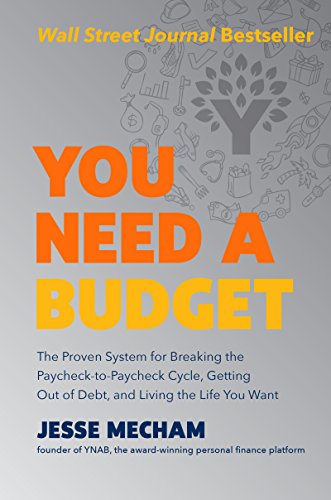
Step 5: Build the budget together
A family budget works better when it’s treated like a shared operating system instead of one person’s private obsession. The cleanest version is a monthly budget meeting: review income, list upcoming expenses, check savings progress, and decide what gets priority this month.
Keep it practical:
- Look at next month, not some abstract fiscal utopia
- Include irregular expenses like birthdays, back-to-school costs, holiday travel, and annual subscriptions
- Decide who handles what
- Agree on a threshold for surprise spending
If one adult manages the mechanics and everyone else just hears the aftermath, resentment grows fast. A budget is not a dictatorship with receipts.
Step 6: Make room for irregular expenses
This is where many family budgets fail. Monthly bills are easy. The trouble comes from expenses that are predictable but not monthly.
Examples:
- Car registration
- School fees
- Sports sign-ups
- Clothing growth spurts
- Holidays
- Gifts
- Medical copays
- Home maintenance
The fix is simple: divide annual or seasonal costs into monthly sinking funds. If winter coats cost money every year, budget for them every month. Otherwise, you are not budgeting. You are staging a seasonal financial ambush.
Step 7: Automate what you can
Automatic transfers and autopay can make a budget much easier to keep. Some family budgeting guidance recommends setting up automatic payment for as many bills as possible so due dates stop scattering your attention across the month.
Automation works best for:
- Fixed bills
- Savings transfers
- Debt payments
- Subscriptions you genuinely keep
It works less well for variable spending, which still needs monitoring. Automation should reduce friction, not eliminate awareness.

Step 8: Track spending during the month
A budget is not finished once it’s written. It has to survive contact with actual life. Consumer guidance recommends writing down spending as you go so you can compare the plan with reality. That can be daily, weekly, or whatever cadence keeps the numbers honest.
You do not need a complicated app, though apps are fine if they help. What matters is the feedback loop:
- Did groceries exceed the plan?
- Did one category quietly cannibalize another?
- Are subscriptions multiplying like they have a social life?
- Did an “emergency” turn out to be a recurring habit?
The point is not self-punishment. It is correction.
Step 9: Adjust without drama
Most budgets fail because they’re treated like sacred text. Better to think of them as a working draft.
If the numbers don’t fit:
- Cut the categories that are least important
- Reduce spending where the family won’t notice much
- Increase income if possible
- Reassign savings goals temporarily
- Revisit assumptions about groceries, fuel, and childcare
Consumer guidance makes the same blunt point: if expenses are more than income, the budget has to change. That’s not a moral issue. It’s math with consequences.
Common family budgeting mistakes
Forgetting small recurring costs
Streaming services, school apps, and snack runs seem minor until they become a monthly leak field.
Budgeting fantasy numbers
If your grocery budget only works in a parallel universe where no one is hungry after 6 p.m., it’s not a budget.
Ignoring irregular expenses
This is the classic trap. The month looks fine right up until the car insurance bill arrives like a plot twist.
Trying to make one person the finance sheriff
A family budget works better when everyone understands the rules and priorities.
Not including fun money
A budget with zero breathing room usually gets sabotaged. A little planned spending makes the whole system more durable.
A simple family budget template
Use this as a starting structure:
- Total monthly income
- Fixed expenses
- Variable essentials
- Savings
- Debt payments
- Irregular expenses/sinking funds
- Family fun money
- Leftover or gap
A quick check:
- Add all income
- Add all expenses
- Subtract expenses from income
- If the result is negative, trim or reallocate
- If the result is positive, assign that money a purpose before it evaporates
How to keep the plan from falling apart
A family budget survives through repetition, not perfection.
Try these habits:
- Hold a short monthly money meeting
- Check spending weekly
- Update categories when life changes
- Keep savings automatic
- Review subscriptions every few months
- Celebrate progress, even if it’s boring progress
That last part matters. Most financial wins are unglamorous. They look suspiciously like consistency.
Final thoughts
Learning How to Make a Family Budget Plan is really about turning vague money anxiety into a system the household can live with. Start with income, list expenses, choose a method, include irregular costs, and review the plan often enough that it stays connected to reality.
The best budget is not the strictest one. It’s the one your family can actually follow without turning every grocery trip into a referendum on human nature.