
This post contains affiliate links. If you make a purchase from one of the links, I may earn a commission at no extra cost to you.
How to Declutter a House: A Friendly Room-by-Room Guide for Busy Families
Ever look around your place and just feel buried by stuff? You’re not alone. Piles of laundry, closets that won’t shut, and counters you can barely see can make home feel more like chaos than comfort. The real trick to decluttering a house is tackling one room at a time with a plan—deciding what to keep, what to donate, and what needs to go. Sure, decluttering is work, but it doesn’t have to be a nightmare.
Getting rid of extra things in your home pays off. Walking into an organized room just feels better. You’ll save time because you’re not always hunting for lost stuff. Plus, your space will seem bigger and way more livable when it’s not packed with things you barely use.
This guide’s here to help you figure out how to clear out your house without losing your mind. You’ll see why clutter sneaks up on you and how to stop it. There’s a step-by-step plan for tackling every room, plus a bunch of practical tips and real-life methods that actually work.
Table of Contents
Understanding Clutter and Decluttering Fundamentals
Clutter happens when you hold onto more things than you have space for. Decluttering is just taking back control, one step at a time. Letting go of extra stuff makes daily life smoother and your home more comfortable.
What Is Clutter?
Clutter is pretty much anything taking up space but not adding value to your life. It’s things you don’t use, don’t need, or maybe forgot you even had.
You’ll spot clutter all over—old magazines, broken gadgets, kitchen stuff you have doubles of, or clothes that just sit in your closet.
There’s also visual clutter. Even if things are organized, if there’s too much out, it just looks busy and makes it hard to relax.
Common types of clutter:
- Expired products and old paperwork
- Gifts you feel bad tossing
- Stuff you’re keeping “just in case”
- Broken things you’ll fix… someday
- Regret buys you never returned
Why Decluttering Is Important
Decluttering gives you a home where you can find what you need and move around easily. Less stuff means less cleaning and less time spent organizing.
A messy, crowded space can really mess with your mood. Clearing out the junk can help you feel calmer and more in control.
It’s nice for your wallet, too. When you know what you have, you’re less likely to buy repeats or things you don’t need. Sometimes you’ll even make a little money selling what you no longer use.
A less cluttered home is safer. No more tripping over piles or worrying about things toppling over.
Decluttering Challenges and Mindset
Honestly, the hardest part is usually the emotional side. It’s tough to let go of gifts or things you spent money on. Some stuff brings up memories, which makes it tricky.
A good decluttering mindset means being real with yourself about what you actually use. Ask if each thing adds value to your life now, not just if it might someday.
Time and perfectionism can get in the way, too. You don’t have to do everything at once. It’s okay to start small, maybe with simple projects that give you a quick win.
Some mindset shifts that help:
- Focus on what you keep, not just what you’re letting go
- Accept that you’ll make mistakes—sometimes you’ll wish you’d kept something, and that’s okay
- Your past self bought things, but your current self decides what stays
- Remember, clear space is more useful than stuff you never touch
Step-by-Step Guide: How to Declutter a House
Breaking your project into steps makes it feel less impossible. Go room by room with clear goals, and you’ll actually see results.
Setting Decluttering Goals
Before you start tossing things, take a second to think about what you want. Need more closet space? Moving soon? Or just want to feel less frazzled at home?
Write down your goals. Instead of “clean the house,” try “clear off kitchen counters” or “organize the bedroom closet.” Smaller goals are easier to tackle.
Be realistic about your timeline. Maybe you can do one room a week, or maybe you just have 15 minutes a day. Both work.
Picture what success looks like for each space. Maybe your kitchen just needs clear counters and tidy cabinets. In the living room, maybe it’s just about clearing off surfaces and arranging books.
Creating a Decluttering Checklist
A decluttering checklist keeps you on track and helps you see progress. List every room and space, even closets, the garage, and storage spots.
For each room, jot down the areas you want to tackle:
Kitchen
- Countertops
- Cabinets and drawers
- Pantry
- Under the sink
- Refrigerator
Bedroom
- Closet and dresser
- Nightstands
- Under the bed
- Surfaces
Bathroom
- Medicine cabinet
- Drawers and cabinets
- Shower and tub area
- Under sink
Add checkboxes so you can tick things off. It’s surprisingly motivating to see those boxes fill up.
Room-by-Room Decluttering Strategies
Picking the right room to start with really matters. Go for a space where you’ll see quick progress, like a bathroom or entryway. Avoid jumping into sentimental stuff right away.
When you declutter your kitchen, start by clearing off the counters. Stash away appliances you rarely use. Go through cabinets and toss duplicates, broken dishes, and expired food.
In bedrooms, the closet is a good place to begin. Pull out clothes you haven’t worn in a year, or things that don’t fit or suit your style.
For living rooms, gather up stuff that belongs elsewhere. Sort through books, magazines, and knickknacks. Keep only what you use or really love.
Grab four boxes or bags and label them: Keep, Donate, Sell, and Trash. This makes decisions easier and faster.
Try to finish one room before moving on. That way, you get to enjoy a finished space and avoid moving clutter around the house.
Maintaining Progress and Motivation
It’s easy to lose steam, so celebrate small wins. Take before and after photos—they’ll remind you how far you’ve come.
Put decluttering sessions on your calendar and treat them like real appointments. Even 20 minutes a day adds up.
Get the family involved. Everyone can tackle their own stuff—kids can sort toys, adults can handle shared spaces. Working together makes things go faster and teaches good habits.
Give yourself a reward after finishing a room. Maybe it’s a favorite show, a treat, or just some quiet time. Little rewards help keep you going.
Try to avoid bringing in new things unless you’re letting go of something else. That one-in, one-out rule really does help keep clutter from creeping back in.
Decluttering Tips and Organizing Solutions
Getting organized is a lot easier with the right tools and a few tricks. Advice from the pros, smart methods, and good storage can make a big difference.
Professional Organizer Insights
Sometimes it helps to call in an expert. Professional organizers know how to set up systems that actually work for your life. Laura Kinsella and others suggest starting small—don’t try to do everything at once.
Here’s what organizers usually recommend:
- Set a timer for 15-30 minutes and work in short bursts
- Sort things into four piles: keep, donate, trash, and relocate
- Focus on one area at a time
- Make a plan to keep clutter from coming back
A lot of organizers share their best tips online. Taking before and after photos is a big motivator. And if you’re really overwhelmed, hiring a pro can be worth it.
Effective Decluttering Methods
People find different decluttering methods work for them, so pick what feels right. The Four-Box Method uses boxes for keep, donate, trash, and relocate. Work through one spot and sort as you go.
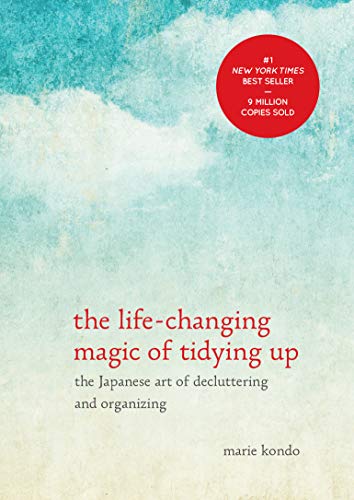
The KonMari method is about only keeping things that spark joy. You sort by category, not by room, starting with clothes and finishing with sentimental stuff.
Other methods people like:
- 12-12-12 Challenge: Find 12 things to throw out, 12 to donate, and 12 to put away
- One-In-One-Out Rule: Whenever you get something new, let go of something old
- Five-Minute Pickup: Spend five minutes a day tidying one area
Feel free to mix and match methods to fit your schedule and the room you’re working on.
Choosing Storage Furniture and Solutions
The right storage furniture helps keep your home organized after you declutter. Storage furniture should fit your space and how you live. Bookshelves with adjustable shelves are great for living rooms or home offices. Storage ottomans add hidden space and extra seating.
Brands like Urban Organyze offer storage ideas for different needs. Acrylic bins are handy because you can see what’s inside without opening them. They work well in closets, pantries, and under sinks.
Install key hooks by the door to keep keys and bags in one place. Wall shelves save floor space and add storage. Look for furniture with built-in storage, like beds with drawers or coffee tables with shelves underneath.
Helpful Decluttering Tools and Accessories
Honestly, having the right tools can make decluttering way less stressful. A label maker? Super handy for marking bins and boxes, so everyone actually knows where stuff goes. Drawer dividers are great too—they keep all those little things from mixing together in your dresser or desk.
Must-have organizing accessories:
| Tool | Best Use |
|---|---|
| Clear storage bins | Closets, garage, basement |
| Shelf dividers | Keeping stacks neat |
| Over-door organizers | Maximizing vertical space |
| Drawer organizers | Utensils, office supplies |
| Basket sets | Quick clean-up storage |
Before you start, grab some trash bags and set up a donation box. You’ll probably want some cleaning supplies close, since dust and crumbs always seem to appear. A step stool is a lifesaver for reaching those top shelves. If you have a cart or a wagon, honestly, it’s so much easier to roll stuff between rooms instead of making a bunch of trips carrying everything.