This post contains affiliate links. If you make a purchase from one of the links, I may earn a commission at no extra cost to you.
Minimalist Baby Registry: Essential Items Every New Parent Actually Needs
Getting ready for a baby? It’s easy to feel buried under endless lists and ads telling you what you “need.” Honestly, babies don’t require much to be safe, comfy, and happy. A minimalist baby registry is all about sticking to the essentials—choosing things that really matter and actually get used. You’ll skip the clutter and still have everything you need.
Building a minimalist baby registry means picking quality over quantity and thinking about what each item really does. This way, you save money, cut down on stress, and keep your home from turning into a baby gear warehouse. You can get ready for your little one without drowning in stuff you’ll barely touch.
The trick is knowing what’s truly essential and what’s just “nice to have.” If you stick to the basics and pick things that do double duty, your registry will actually work for you. Careful planning now means you’ll have baby gear that grows with your child and fits your family’s actual needs.



Minimalist Baby Registry: Core Principles
A minimalist baby registry focuses on essential items that really pull their weight. It’s about buying fewer, better things and skipping the clutter that ends up gathering dust.
Purpose of a Minimalist Baby Registry
A minimalist registry gets you ready for baby without wrecking your budget or cramming your living space. Studies show new parents only use about 40% of what they receive, but the typical registry has 60-100 items.
Your minimalist baby list should just cover the basics: feeding, sleeping, diapering, and safety. Everything else? Up to you.
You want a setup that works right away. Less stuff to manage means less stress. Your home stays calm and tidy.
You’ll have more time to actually enjoy your baby instead of sorting through piles of unused gear.
Benefits of a Minimalist Approach
Saving money is a huge bonus. You only buy what you’ll really use.
Saving space matters, especially if you’re living in a small place. Less gear means more room for family life.
Less decision fatigue is a real relief when you’re tired and busy. Fewer choices make things simpler.
It’s better for the planet too. Buying less and picking durable stuff means less waste.
Easier to clean up and organize—you spend less time managing stuff.
Gift-giving gets easier because people know exactly what you want.
Questions to Consider Before Adding Items
Before you add anything to your baby registry, ask yourself:
Does this do more than one thing? Pick items that grow with your baby or work in different situations.
Do I have space for it? Think about where it’ll actually go.
How often will I use it? Daily-use stuff is worth it. Occasional-use? Maybe not.
Can I borrow or buy later? Some things are better as future purchases once you know your real needs.
Is it safe? Stick to products that meet current safety standards.
Will this make life easier? Go for quality essentials that can do more than one job instead of single-use gadgets.
These questions help you keep your registry practical and focused.
Essential Minimalist Baby Gear
A minimalist registry is all about quality items that fit into your daily routine. These four categories cover what you need without letting clutter take over.
Safe Sleep Essentials
Your baby needs a safe, cozy spot to sleep. A convertible crib is a smart choice since it can turn into a toddler bed and even a full-size bed later.
Pick a firm crib mattress that meets safety standards. Organic options are nice but not a must.
Keep bedding simple—just fitted crib sheets. Two or three sheets is plenty. Skip bumpers, blankets, and pillows.
Swaddles help newborns sleep better. Go for easy ones with velcro or snaps. Once your baby starts rolling, switch to sleep sacks.
A basic baby monitor lets you listen in from another room. Audio-only monitors are usually enough.
A sound machine might help if your house is noisy. White noise can help babies sleep longer.
Diapering Essentials
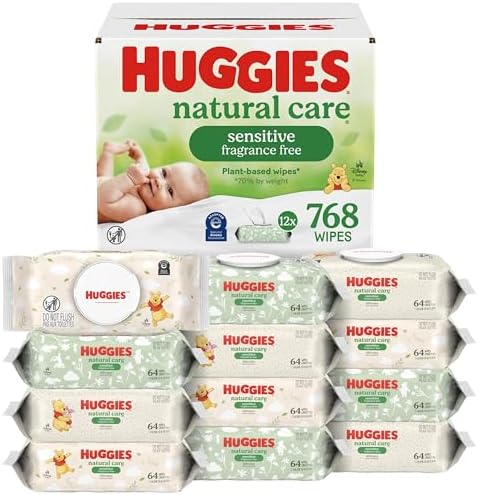
Stock up on diapers in a couple of sizes. Babies outgrow them fast. Disposable diapers are convenient; cloth saves money over time.
A portable changing pad works anywhere. You don’t need a big changing table if space is tight.
Have some diaper rash cream handy. Zinc oxide formulas work well.
A small diaper pail with odor control is helpful, but some just use a regular trash can.
Your diaper bag should hold the basics without being a pain to carry. Pockets help keep things organized.
| Diapering Item | Quantity Needed |
|---|---|
| Newborn diapers | 1-2 packs |
| Size 1 diapers | 3-4 packs |
| Diaper rash cream | 1 tube |
| Changing pad | 1 portable |
Feeding Essentials
Formula feeding? You’ll need bottles, formula, and cleaning supplies. Simple bottles are easier to clean.
A bottle brush and drying rack make cleaning bottles less of a chore.
If you’re breastfeeding, a breast pump is useful. Manual pumps are fine for occasional use; electric ones are better for regular pumping.
Breast milk storage bags let you freeze extra milk. Glass bottles work too.
Nursing bras and tanks make feeding easier. Wait until after baby arrives to buy these—your size will change.
A nursing pillow can help, but some moms just use regular pillows.
Get plenty of burp cloths—babies spit up a lot. Old-school cloth diapers work great.
Add a few bibs for when your baby starts solids. You can skip them at first.
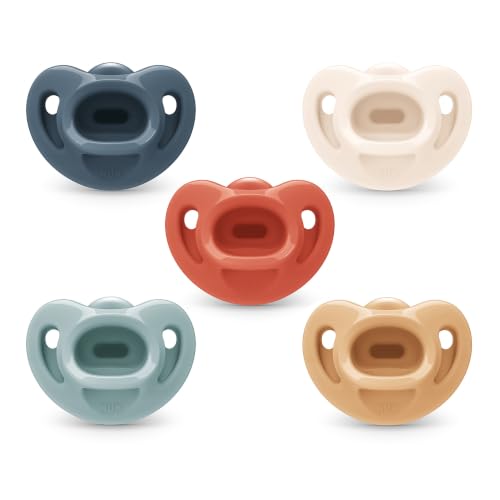
Pacifiers can help calm some babies, but not all will take them. Start with two or three.
On-the-Go Must-Haves
A good car seat is required to leave the hospital. An infant car seat works from birth up to about a year.
A convertible car seat lasts longer and can skip the infant seat stage for some families.
Pick a stroller or baby carrier based on your lifestyle. Carriers are great for walks and errands.
Light umbrella strollers are handy for quick trips. Bigger strollers have more storage and comfort.
Baby carriers free up your hands and keep your baby close. Try out a few—comfort really depends on your body.
Many stores let you test carriers with demo weights, so take advantage of that before buying.
Minimalist Clothing and Baby Care Basics
Your baby just needs simple clothes and care items to stay comfortable and healthy. Stick to versatile things that last and can handle a few messes.
Essential Baby Clothing
A minimalist baby wardrobe needs 10-15 onesies, 4-6 pairs of pants, and 4-7 sleepers. That’s usually enough for daily life.
Onesies are great alone in warm weather or as layers when it’s chilly. Snap closures make diaper changes easier.
Sleepers are comfy and practical for nights and naps. Two-way zippers make diaper changes faster.
You only need 2-3 lightweight blankets. Muslin blankets are super useful for swaddling, covering up, or just adding a little warmth.
Baby shoes aren’t needed until your child walks. Socks are enough for now.
Skip fancy outfits and seasonal stuff for your first registry. Neutral colors mix and match easily.
Bath and Hygiene Necessities
Go for a gentle baby wash that works for both hair and body. One bottle is simpler than juggling a bunch of products.
A small baby bathtub that fits in your tub is safer and easier to use. Non-slip surfaces help a lot.
You’ll want 2-3 soft hooded towels. The hood keeps your baby warm after baths.
Baby nail clippers with rounded tips are safest. It’s easier to trim nails when your baby is asleep.
You don’t need a ton of creams or powders. Most babies are fine with just the basics.
Health and Safety Basics
A reliable digital thermometer is a must. Rectal thermometers are the most accurate for young babies.
A nasal aspirator clears stuffy noses. The basic bulb syringe works well and costs less than fancy versions.
Have some first aid basics like infant acetaminophen, saline drops, and a few bandages. Keep them handy in your medicine cabinet.
A baby monitor helps you relax during naps and at night. Audio-only models are usually enough and cost less.
Baby-proof your home as your child gets mobile. Start with outlet covers and cabinet locks where your baby will explore first.
Smart Strategies for Building a Minimalist Registry
To build a solid minimalist registry, pick your platform carefully, choose products that do more than one thing, and keep your budget and space in mind. Here’s how to keep things simple and useful.
Choosing the Right Registry Platform
Amazon Baby Registry is a popular pick for minimalist parents. You get a 15% completion discount after your shower, which helps cover anything you still need.
You can organize your list by priority, so the must-haves stand out for gift-givers.
Look for features like:
- Easy list editing
- A mobile app for quick changes
- The ability to add items from any store
- Good return and exchange policies
Target and Buy Buy Baby offer similar discounts, so compare before deciding.
Keep your baby registry checklist short—20-30 items is plenty. This helps avoid impulse adds.
How to Prioritize Versatile Products
Choose baby gear that grows with your child or works in different ways. A convertible crib, for example, turns into a toddler bed and daybed.
Stick to neutral clothing colors. Onesies, sleepers, and pants in white, gray, or beige match everything, so you need fewer pieces.
Multi-use essentials:
- High chair that becomes a booster seat
- Stroller that fits an infant car seat
- Changing pad that works anywhere
- Swaddles that double as blankets
Skip stuff like wipe warmers or bottle sterilizers. Regular wipes and dishwashers are just fine.
Pick quality over quantity. One sturdy baby carrier is better than three flimsy ones.
Budget and Space-Saving Tips
Figure out your spending limit before you start picking out baby gear. Most new parents drop somewhere between $500 and $1000 on baby stuff before the baby even arrives. If you go minimalist, you might cut that number almost in half.
Space-saving ideas:
- Try foldable or stackable things
- Skip big furniture like changing tables
- Use ottomans with storage inside
- Look for smaller versions of the essentials
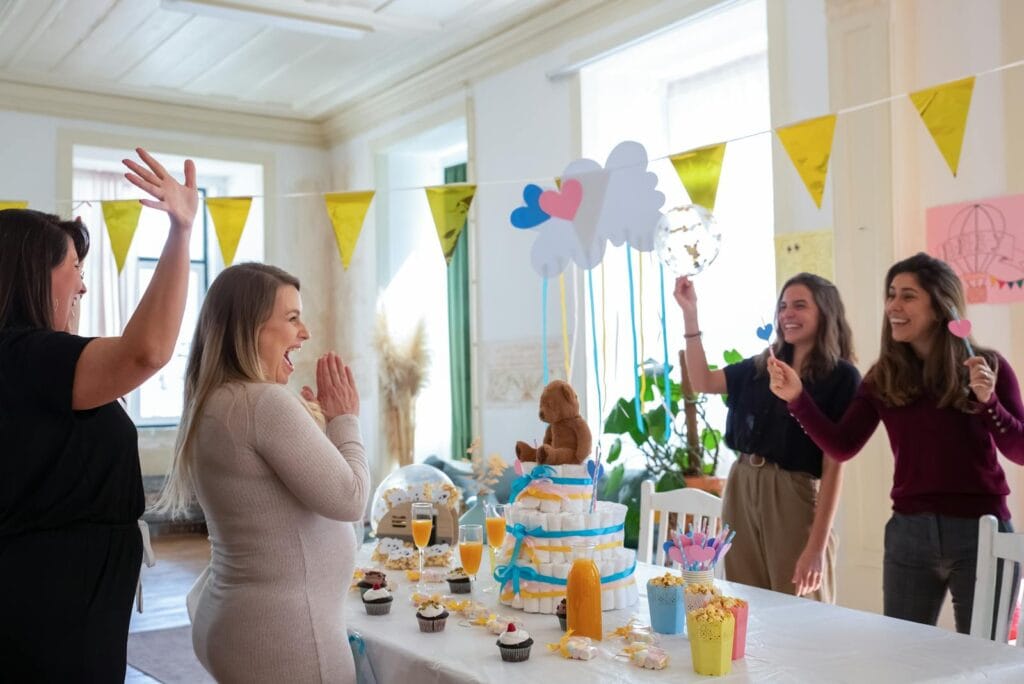
If you’re having a minimalist baby shower, maybe focus on experiences instead of stuff. You could ask friends and family to chip in for bigger things like a car seat or stroller instead of piling on the little gifts.
Don’t feel like you have to buy everything right away. It’s honestly easier to pick up items as you go. You’ll figure out pretty fast what you actually use and what just sits there. A lot of parents realize they only reach for about half the things on their registry.
Borrowing or buying used gear for those things you’ll only need for a short time? That’s a smart move. Newborn clothes, for example, get outgrown in a blink, so secondhand is often just as good—and way easier on your wallet.